Nordic Nest
Location:
Copenhagen Inspired Concept
Copenhagen Inspired Concept
Project Area:
2,800 sq ft
2,800 sq ft
Timeline:
3.5 Months
3.5 Months
Design Style:
Design Style:
Scandinavian Minimalism
Scandinavian Minimalism
Scandinavian Minimalism
Overview
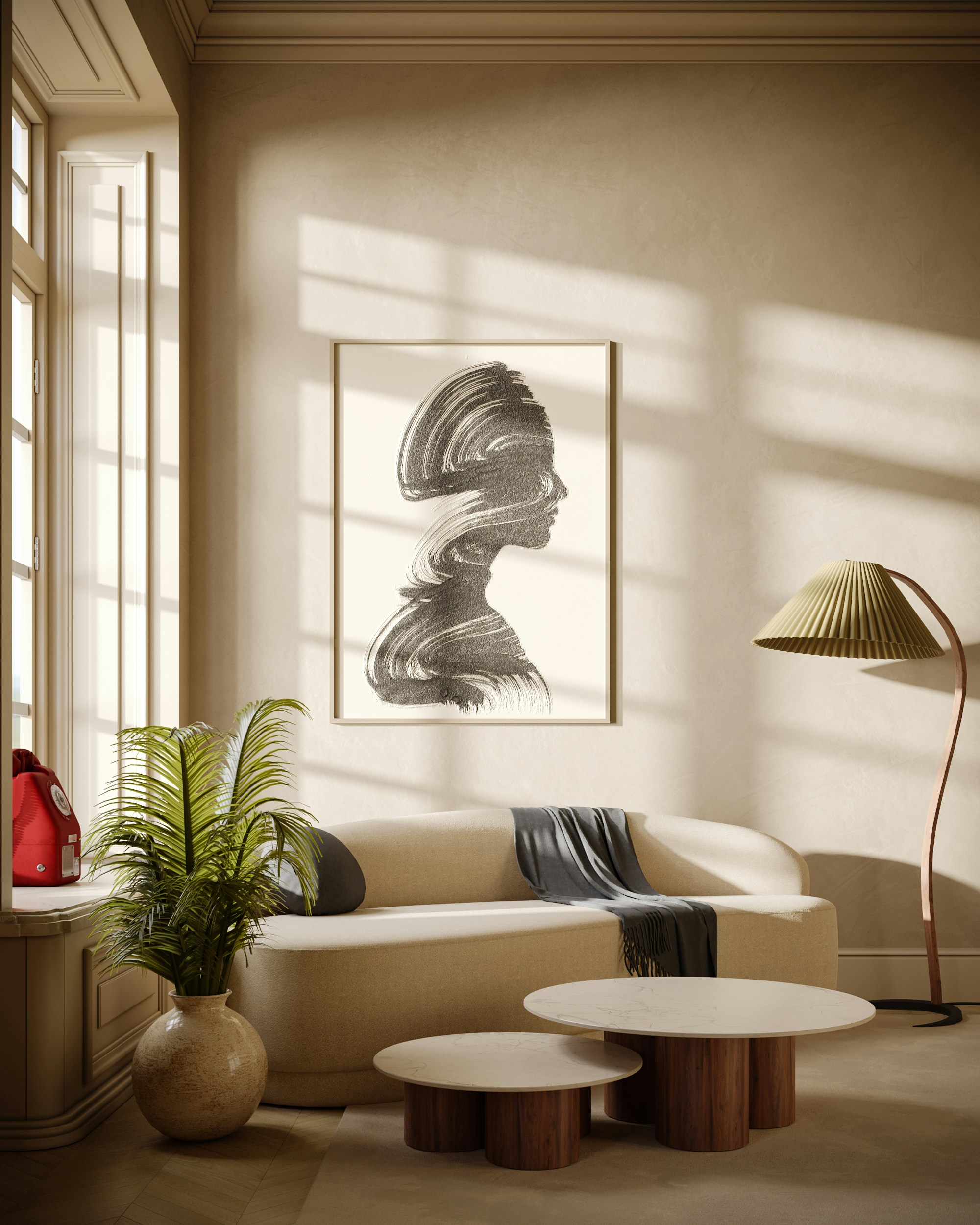
Nordic Nest was designed as a peaceful residential retreat inspired by the simplicity and emotional warmth of Scandinavian living. The project focused on creating an environment that feels calm, breathable, and naturally connected to everyday comfort without relying on excessive decoration or complex visual elements. The client wanted a home that would support a slower and more mindful lifestyle while still maintaining a sophisticated modern identity.
The overall spatial layout was intentionally kept open and uncluttered to maximize natural light and create a sense of freedom throughout the interior. Large windows, soft material palettes, and subtle furniture compositions were carefully combined to create a home that feels welcoming from the moment someone enters the space. Instead of following temporary trends, the design approach focused on timeless simplicity and functional beauty that would remain visually relevant for years.
Design Concept
The design concept behind Nordic Nest was rooted in the Scandinavian philosophy of balance, simplicity, and functionality. Every element within the interior was selected with intention, ensuring that beauty and practicality exist together naturally. Light oak finishes, matte surfaces, textured fabrics, and warm neutral tones were used to create a calm visual rhythm across the home.
Natural light became one of the most important design features within the project. The layout and material choices were carefully planned to reflect daylight softly throughout the rooms, enhancing the airy atmosphere and creating emotional comfort during every part of the day. Decorative elements were intentionally minimized so the architecture, textures, and proportions could become the main visual focus of the interior experience.
Challenge
One of the key challenges of the project was maintaining visual simplicity without making the home feel emotionally empty or cold. Minimal interiors can often lose warmth if the balance between texture, lighting, and furniture is not carefully managed. The client also requested a design that feels visually clean while still supporting practical family living and everyday functionality.
Another challenge involved organizing the interior layout in a way that improved openness while still preserving comfort and privacy between different living zones. Storage integration was also important because the client wanted the space to remain visually uncluttered without reducing functionality.
Solution Provided
To solve these challenges, a highly balanced material and lighting strategy was introduced throughout the home. Soft natural woods were paired with linen fabrics, textured rugs, and warm ambient lighting to bring emotional warmth into the minimalist environment. Built-in storage systems were carefully integrated into walls and furniture pieces to maintain visual cleanliness without compromising usability.
The spatial planning focused on fluid movement between living, dining, and private spaces while preserving subtle visual separation using furniture positioning and architectural framing techniques. Soft indirect lighting was layered throughout the home to create comfort during evening hours and enhance the overall sense of calmness.
Results / Outcome
The completed Nordic Nest project successfully transformed the residence into a calm and emotionally balanced living environment that perfectly reflects Scandinavian lifestyle values. The interior now feels open, bright, and deeply relaxing while still supporting practical modern living needs.
The combination of natural textures, soft lighting, and minimal styling created a timeless atmosphere that feels elegant without appearing overly luxurious. The client was especially impressed by the emotional comfort created through the design, describing the final interior as peaceful, warm, and highly livable. Nordic Nest now stands as a strong example of how simplicity can create powerful spatial experiences when executed thoughtfully.
Overview
Nordic Nest was designed as a peaceful residential retreat inspired by the simplicity and emotional warmth of Scandinavian living. The project focused on creating an environment that feels calm, breathable, and naturally connected to everyday comfort without relying on excessive decoration or complex visual elements. The client wanted a home that would support a slower and more mindful lifestyle while still maintaining a sophisticated modern identity.
The overall spatial layout was intentionally kept open and uncluttered to maximize natural light and create a sense of freedom throughout the interior. Large windows, soft material palettes, and subtle furniture compositions were carefully combined to create a home that feels welcoming from the moment someone enters the space. Instead of following temporary trends, the design approach focused on timeless simplicity and functional beauty that would remain visually relevant for years.
Design Concept
The design concept behind Nordic Nest was rooted in the Scandinavian philosophy of balance, simplicity, and functionality. Every element within the interior was selected with intention, ensuring that beauty and practicality exist together naturally. Light oak finishes, matte surfaces, textured fabrics, and warm neutral tones were used to create a calm visual rhythm across the home.
Natural light became one of the most important design features within the project. The layout and material choices were carefully planned to reflect daylight softly throughout the rooms, enhancing the airy atmosphere and creating emotional comfort during every part of the day. Decorative elements were intentionally minimized so the architecture, textures, and proportions could become the main visual focus of the interior experience.
Challenge
One of the key challenges of the project was maintaining visual simplicity without making the home feel emotionally empty or cold. Minimal interiors can often lose warmth if the balance between texture, lighting, and furniture is not carefully managed. The client also requested a design that feels visually clean while still supporting practical family living and everyday functionality.
Another challenge involved organizing the interior layout in a way that improved openness while still preserving comfort and privacy between different living zones. Storage integration was also important because the client wanted the space to remain visually uncluttered without reducing functionality.
Solution Provided
To solve these challenges, a highly balanced material and lighting strategy was introduced throughout the home. Soft natural woods were paired with linen fabrics, textured rugs, and warm ambient lighting to bring emotional warmth into the minimalist environment. Built-in storage systems were carefully integrated into walls and furniture pieces to maintain visual cleanliness without compromising usability.
The spatial planning focused on fluid movement between living, dining, and private spaces while preserving subtle visual separation using furniture positioning and architectural framing techniques. Soft indirect lighting was layered throughout the home to create comfort during evening hours and enhance the overall sense of calmness.
Results / Outcome
The completed Nordic Nest project successfully transformed the residence into a calm and emotionally balanced living environment that perfectly reflects Scandinavian lifestyle values. The interior now feels open, bright, and deeply relaxing while still supporting practical modern living needs.
The combination of natural textures, soft lighting, and minimal styling created a timeless atmosphere that feels elegant without appearing overly luxurious. The client was especially impressed by the emotional comfort created through the design, describing the final interior as peaceful, warm, and highly livable. Nordic Nest now stands as a strong example of how simplicity can create powerful spatial experiences when executed thoughtfully.