May 08, 2026
May 08, 2026
How Minimal Spaces Create Better Lifestyle Experiences
Introduction
Minimal interior design has become one of the most influential styles in modern living because it directly impacts how people feel and behave in their environment. Unlike traditional decorative-heavy interiors, minimal spaces remove unnecessary elements and focus only on what is essential. This creates a powerful shift in lifestyle, where simplicity becomes the foundation of comfort and productivity.
A minimal home is not empty — it is intentional. Every object, color, and texture is carefully selected to support a clean and peaceful living experience. This approach helps individuals feel more in control of their environment, which leads to better mental clarity and emotional stability.
Psychological Impact of Minimalism
One of the strongest benefits of minimal design is its effect on mental well-being. When a space is free from clutter and unnecessary distractions, the brain naturally feels less overwhelmed. This reduction in visual noise creates a calming effect that helps improve focus and relaxation.
In many modern homes, people experience stress not because of external factors, but because of chaotic environments. Minimal interiors solve this issue by introducing order and simplicity, allowing the mind to rest as much as the body.
Functional Efficiency in Minimal Spaces
Minimal design is not only aesthetic but also highly functional. Since there are fewer objects in the space, everything must serve a clear purpose. This encourages smarter furniture choices such as storage-integrated beds, modular seating, and foldable workstations.
This approach also improves movement within the home. With fewer obstacles, the flow between rooms becomes smoother, making daily activities more efficient and enjoyable.
Visual Clarity and Aesthetic Balance
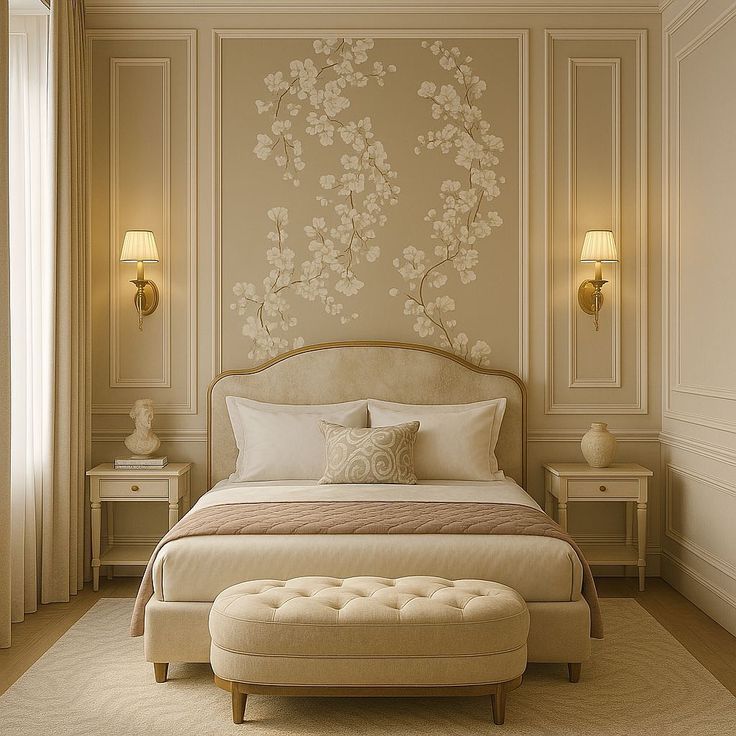
Minimal interiors rely heavily on clean lines, open spaces, and neutral tones. This creates a strong sense of visual clarity that feels refreshing and modern. Instead of overwhelming the eyes with patterns or colors, minimal design allows the architecture and lighting to become the focal point.
The result is a space that feels calm, breathable, and effortlessly elegant.
Conclusion
Minimal spaces improve lifestyle quality by reducing stress, increasing functionality, and creating a visually balanced environment. They represent a shift toward intentional living, where less truly becomes more.
Introduction
Minimal interior design has become one of the most influential styles in modern living because it directly impacts how people feel and behave in their environment. Unlike traditional decorative-heavy interiors, minimal spaces remove unnecessary elements and focus only on what is essential. This creates a powerful shift in lifestyle, where simplicity becomes the foundation of comfort and productivity.
A minimal home is not empty — it is intentional. Every object, color, and texture is carefully selected to support a clean and peaceful living experience. This approach helps individuals feel more in control of their environment, which leads to better mental clarity and emotional stability.
Psychological Impact of Minimalism
One of the strongest benefits of minimal design is its effect on mental well-being. When a space is free from clutter and unnecessary distractions, the brain naturally feels less overwhelmed. This reduction in visual noise creates a calming effect that helps improve focus and relaxation.
In many modern homes, people experience stress not because of external factors, but because of chaotic environments. Minimal interiors solve this issue by introducing order and simplicity, allowing the mind to rest as much as the body.
Functional Efficiency in Minimal Spaces
Minimal design is not only aesthetic but also highly functional. Since there are fewer objects in the space, everything must serve a clear purpose. This encourages smarter furniture choices such as storage-integrated beds, modular seating, and foldable workstations.
This approach also improves movement within the home. With fewer obstacles, the flow between rooms becomes smoother, making daily activities more efficient and enjoyable.
Visual Clarity and Aesthetic Balance
Minimal interiors rely heavily on clean lines, open spaces, and neutral tones. This creates a strong sense of visual clarity that feels refreshing and modern. Instead of overwhelming the eyes with patterns or colors, minimal design allows the architecture and lighting to become the focal point.
The result is a space that feels calm, breathable, and effortlessly elegant.
Conclusion
Minimal spaces improve lifestyle quality by reducing stress, increasing functionality, and creating a visually balanced environment. They represent a shift toward intentional living, where less truly becomes more.